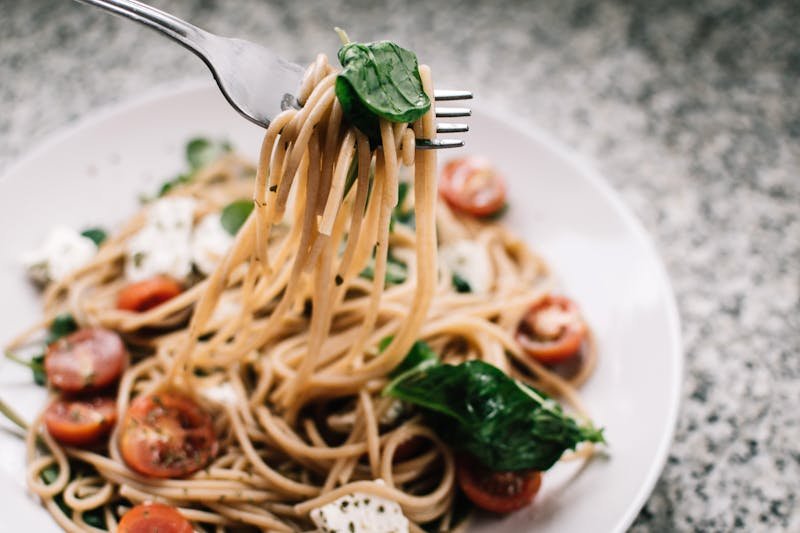
The Complete Guide to Making Homemade Pasta
Master the art of homemade pasta with this complete guide covering dough, shaping, and cooking techniques. Fresh pasta elevates any dish from simple to extraordinary.
There is a reason Italian grandmothers have been making pasta by hand for centuries — the difference between fresh homemade pasta and dried store-bought is simply incomparable. Silky, tender, and with a flavor that soaks up sauces in a way no boxed pasta can match, homemade pasta is one of those kitchen skills that transforms the way you think about cooking. Once you try it, you will wonder why you ever settled for anything else.
Understanding Pasta Dough
The foundation of great homemade pasta is understanding the dough. Classic Italian fresh pasta uses just two ingredients: flour and eggs. The type of flour you choose dramatically affects the final texture. "00" flour — a finely milled Italian flour — produces silky, delicate pasta with a smooth bite. Semolina flour, made from durum wheat, creates a firmer, slightly chewy texture ideal for shapes like orecchiette and busiate. Many home cooks use a blend of both for a balance of tenderness and structure.
The standard ratio is approximately 100g of flour per large egg. For a simple dinner for two, start with 200g of flour and 2 eggs. Some recipes add a drizzle of olive oil and a pinch of salt to the dough for extra richness and flavor.
Making and Resting the Dough
Making pasta dough is a physical process, and the kneading step is essential for developing gluten, which gives the pasta its elasticity and allows it to be rolled thin without tearing. Here is the basic method:
- Mound the flour on a clean work surface and create a well in the center
- Crack the eggs into the well and beat them gently with a fork
- Gradually incorporate the flour from the inner edges of the well into the eggs
- Once a shaggy dough forms, knead by hand for 8–10 minutes until smooth and elastic
- Wrap tightly in plastic wrap and rest at room temperature for at least 30 minutes
- Do not skip the rest — it relaxes the gluten and makes rolling far easier
The dough should feel smooth, pliable, and slightly tacky — not sticky. If it sticks to your hands, dust lightly with flour. If it crumbles, it may need a few drops of water worked in gradually.
Rolling and Shaping
Rolling pasta thin is where many beginners feel intimidated, but it is simply a matter of technique and patience. Divide the rested dough into portions — working with smaller pieces makes rolling more manageable. Using a pasta machine, start at the widest setting and roll the dough through, folding it over itself and repeating a few times before progressing to thinner settings. Aim for a thickness of about 1–2mm for most pasta shapes.
If you do not have a pasta machine, a rolling pin works perfectly well. Roll on a lightly floured surface, working from the center outward, rotating the dough a quarter turn periodically. The dough should be translucent enough that you can just see your hand through it for delicate pasta like tagliatelle.
Once rolled, cut or shape as desired. For tagliatelle or fettuccine, dust the sheet generously with semolina flour, roll it loosely, and slice into ribbons. For lasagna sheets, cut into rectangles. For filled pasta like ravioli, work quickly so the dough does not dry out.
Cooking Fresh Pasta Perfectly
Fresh pasta cooks much faster than dried — usually in just 2–4 minutes in heavily salted boiling water. The water should taste "as salty as the sea," as Italian cooks say. This is not an exaggeration; pasta water is the key to seasoning the pasta from the inside out, and it should be generously salted.
Fresh pasta is ready when it floats to the surface and tastes cooked through but still has a slight bite. Always reserve a cup of starchy pasta water before draining — this liquid gold is the secret weapon for creating silky, restaurant-quality sauces that cling to every strand. Toss the pasta directly in the sauce pan over low heat, adding splashes of pasta water as needed to reach the perfect consistency.
Sauce Pairings for Fresh Pasta
Different pasta shapes and thicknesses call for different sauces. Delicate egg pasta like tagliatelle pairs beautifully with rich Bolognese or a simple brown butter and sage. Thicker, more robust shapes work well with hearty meat ragù. Filled pasta like ravioli is often dressed simply — a knob of butter, fresh sage, and a shower of Parmesan is all you need when the filling is the star.
Making homemade pasta is a transformative kitchen experience — part meditative practice, part culinary art. Once you understand the fundamentals, you can experiment endlessly: add squid ink for dramatic black pasta, beet juice for vibrant pink, or herbs pressed into the sheets for pasta that is as beautiful as it is delicious. Start simple, practice regularly, and you will have a skill for life.