Meal Prep Ideas for the Week: How to Cook Once and Eat Well All Week
Discover the best meal prep ideas for the week that save time, reduce stress, and keep your eating on track. Learn how to plan, prep, and store meals like a pro.
Sunday afternoon rolls around and the week ahead feels overwhelming — work deadlines, evening commitments, and the daily question of "what's for dinner?" This is where meal prepping changes everything. Spending two to three hours on the weekend preparing components for the week ahead means you will eat better, spend less money on takeout, and feel a sense of calm control over your nutrition. The key is not cooking complete meals every single time — it is building a flexible system of components that mix and match throughout the week.
How to Plan Your Weekly Meal Prep
Successful meal prep starts before you even turn on the stove. Taking fifteen minutes on Friday or Saturday to map out your week pays dividends come Monday night. Think about which days you have more time versus less, what proteins and vegetables are on sale at the market, and which meals your family or household actually wants to eat. You do not need to plan every bite — just anchor meals for busy days and let flexibility fill the gaps.
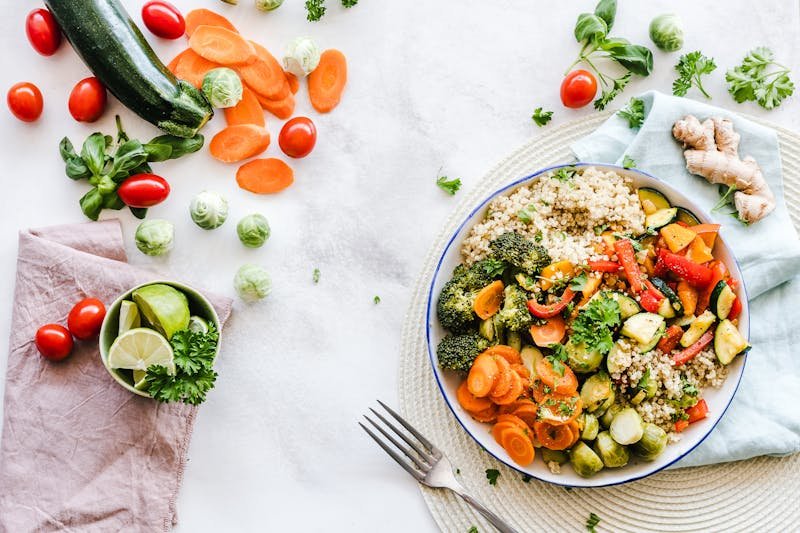
Build your plan around a few key proteins (chicken, eggs, legumes), two or three versatile grains (rice, quinoa, farro), and a variety of roasted vegetables. These building blocks can be assembled into completely different meals throughout the week — grain bowls, wraps, stir-fries, salads, and soups — so you never feel like you are eating the same thing twice.
Best Meal Prep Ideas for Beginners
If you are new to weekly meal prep, start simple. Attempting to cook fifteen different dishes your first weekend will lead to burnout. Instead, focus on high-impact items that save the most time during the week:
- Batch-cook a whole grain: A big pot of brown rice, quinoa, or farro takes 30–45 minutes and forms the base of meals all week
- Roast a sheet pan of vegetables: Toss broccoli, sweet potatoes, bell peppers, and zucchini with olive oil and roast at 425°F for 25–30 minutes
- Cook a versatile protein: Baked chicken breasts, hard-boiled eggs, or a pot of lentils work in countless dishes
- Prep salad greens: Wash, dry, and store in a container lined with paper towels — greens stay crisp for 5–6 days
- Make a big batch of sauce: Tomato sauce, tahini dressing, or a simple vinaigrette transforms plain components into craveable meals
- Portion out snacks: Hummus, cut vegetables, nuts, and fruit make it easy to grab something nutritious between meals
Meal Prep Ideas for Specific Goals
Your meal prep strategy should align with your personal goals. If you are focused on eating more plant-based foods, center your prep around legumes, tofu, and hearty vegetables. Batch-cook a big pot of chickpeas or black beans (or simply drain canned legumes into portioned containers), prepare a grain like farro or bulgur, and roast a variety of vegetables. These components can become grain bowls, tacos, soups, or Buddha bowls with minimal extra effort.
If your goal is to support an active lifestyle with adequate protein, prioritize protein-rich foundations. Baked salmon, grilled chicken thighs, hard-boiled eggs, and Greek yogurt are all excellent options that can be prepped in bulk. Pair these with nutrient-dense carbohydrates and a rainbow of vegetables for balanced, satisfying meals that fuel performance and recovery.
Storage Tips to Keep Your Prep Fresh
The best meal prep in the world is wasted if your food spoils before you can eat it. Proper storage is essential. Invest in a set of airtight glass containers in varying sizes — they keep food fresher than plastic, do not absorb odors, and are safe for reheating. Label containers with the date prepared so you always know what to eat first.
As a general rule, cooked proteins and grains last 4–5 days in the refrigerator. Raw prepped vegetables like cut peppers, cucumbers, and carrots stay crisp for up to a week. Cooked roasted vegetables are best within 4 days. Soups, stews, and sauces freeze beautifully for up to three months — portioning them into individual servings before freezing means you always have a meal available on the most chaotic days.
Weekly meal prep is not about perfection — it is about making the healthy, delicious choice the easy choice. Start small, build your system over a few weeks, and soon you will look forward to your prep sessions as a calming, productive ritual rather than a chore. Your future self, standing in the kitchen on a Wednesday evening with dinner ready in ten minutes, will thank you.