The Complete Guide to Sustainable Eating: How Your Food Choices Change the World
Sustainable eating is one of the most powerful actions individuals can take for the planet. This practical guide explains what sustainable eating means and how to incorporate it into your daily life.
The food system is one of the most significant drivers of environmental change on the planet, responsible for approximately 26% of global greenhouse gas emissions, the majority of freshwater consumption, and vast amounts of land use that comes at the expense of natural ecosystems. These numbers can feel paralyzing — no individual can single-handedly fix a global food system. But the choices we make about what we eat, where we buy it, how we prepare it, and what we do with it afterward collectively shape demand signals that influence how food is produced at scale. Sustainable eating is not about perfection; it is about moving in a better direction with intention and knowledge.
What Does Sustainable Eating Actually Mean?
Sustainable eating refers to food choices that consider environmental impact, social equity, and long-term viability — food that is good for the planet, good for the people who produce it, and good for our own health simultaneously. It involves several overlapping dimensions: the ecological footprint of different foods and food production methods; the social and economic conditions of food workers and farmers; food waste and its environmental consequences; the health implications of dietary patterns for human wellbeing; and the long-term viability of agricultural systems to feed future generations.
Crucially, sustainable eating is not synonymous with veganism, though a more plant-forward diet is generally associated with lower environmental impact. The sustainability of any food system depends on a complex web of variables: how land is managed, how animals are raised, what inputs (water, synthetic fertilizers, pesticides) are required, how far food travels, and how efficiently food is used throughout the supply chain.
The Highest-Impact Changes You Can Make
Research on the environmental impact of different dietary choices consistently identifies a few changes that have outsized effects:
- Reduce beef and lamb consumption: Ruminant meats have by far the highest greenhouse gas emissions and land use of any food; even modest reductions have significant impact
- Choose more plant-based proteins: Legumes, tofu, tempeh, and whole grains have dramatically lower environmental footprints than animal proteins
- Buy local and seasonal produce: Transportation is a meaningful portion of food's carbon footprint; local and seasonal food reduces transport emissions and supports regional food systems
- Reduce food waste: Wasted food that ends up in landfills produces methane as it decomposes; using food fully is one of the highest-impact individual sustainability actions
- Choose sustainably certified seafood: Wild-caught and responsibly farmed seafood can be an excellent sustainable protein; look for MSC certification for wild seafood
- Buy organic when it matters most: The "Dirty Dozen" list identifies the produce with highest pesticide residues when conventionally grown — prioritizing organic for these items is most impactful
- Support regenerative and organic farms: Where possible, choosing products from farms that practice soil-building agriculture helps support the transition to more sustainable food systems
Sustainable Eating and Human Health
One of the most encouraging findings in food sustainability research is that the dietary patterns associated with lower environmental impact are also generally associated with better human health outcomes. The EAT-Lancet Commission's "planetary health diet" — a framework for eating that is nutritionally optimal and environmentally sustainable — is largely plant-based (though not exclusively vegan), emphasizing whole grains, legumes, vegetables, fruits, and nuts, with modest amounts of dairy, eggs, poultry, and seafood, and very limited red and processed meat. This is not a coincidence: the foods that are best for the planet tend to be the foods that are best for us.
This alignment is genuinely exciting because it means that sustainable eating does not require sacrifice — it is simply good food, thoughtfully sourced and prepared. A diet centered on legumes, whole grains, varied vegetables, and modest amounts of high-quality animal products from well-managed farms is both delicious and among the healthiest patterns of eating on earth.
Practical Strategies for Everyday Sustainable Eating
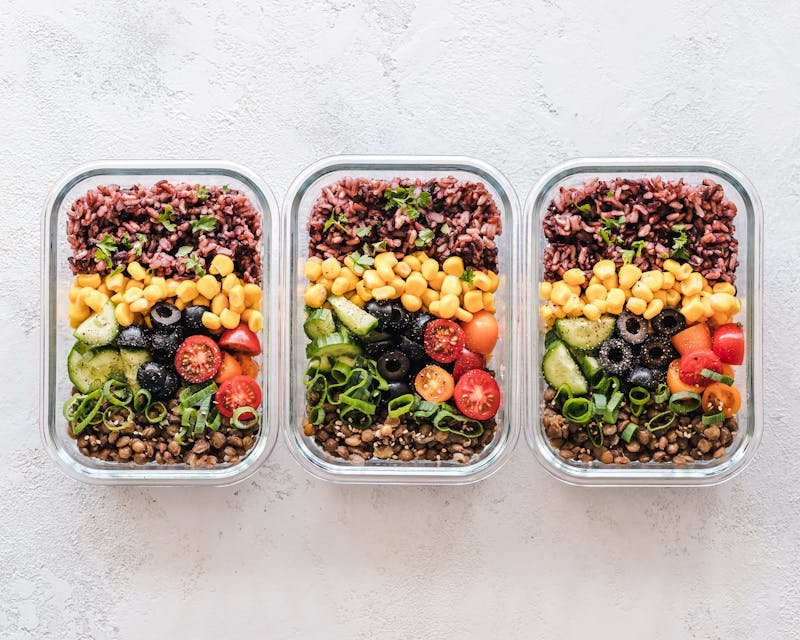
Sustainable eating becomes habitual when it is integrated into existing systems rather than treated as an add-on. Plan meals around vegetables and legumes first, adding animal proteins as a complement rather than a centerpiece. Visit farmers markets when possible — even occasional visits build relationships with local producers and access to seasonal, locally sourced food. Keep a scrap bag in the freezer for vegetable trimmings destined for stock. Compost food waste rather than sending it to landfill. Choose whole foods over heavily processed foods, which require more energy and resources to produce.
Sustainable eating is a journey, not a destination. Every meal is an opportunity to make choices that align with your values — and the cumulative effect of millions of households making more thoughtful food choices is genuinely powerful at the scale the food system requires. Start where you are, make changes that feel sustainable for your lifestyle, and build from there.